Christianity and Moral Didacticism


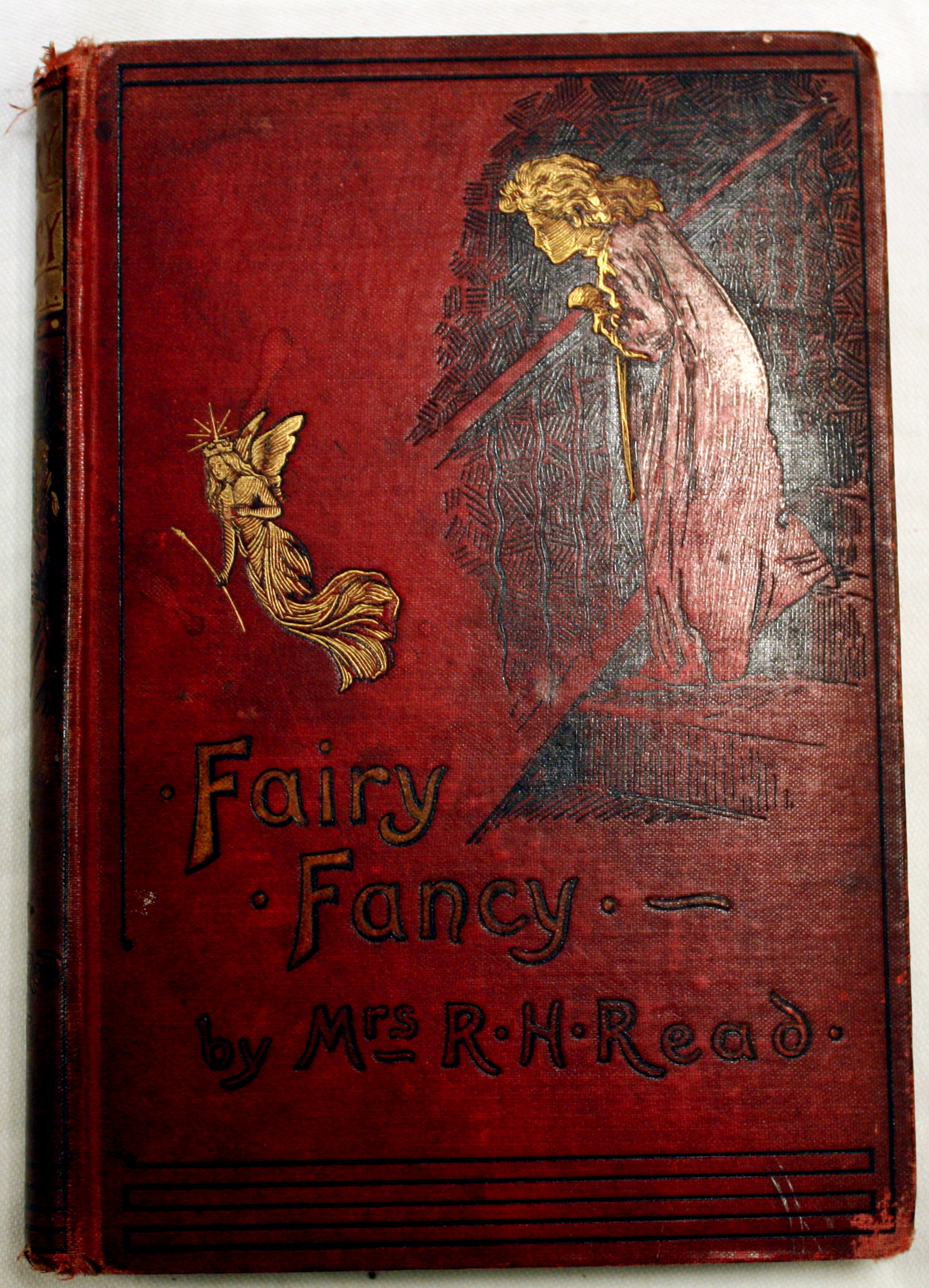
Mrs. Read’s Fairy Fancy (1883) is a perfect example of the Victorian impulse to use children’s literature to both proselytize and entertain. The Fairy Fancy of the title is less the subject of the novel than
The novel is essentially a sequence of morality tales, revolving in some part around the villain of the piece, the raven Mephistopheles, whose namesake is the devil figure in Faustian literature. The name itself is considered by some scholars to be a combination of the Hebrew words mephiz (
Throughout the text the narrator appeals to the audience to be righteous, disciplined and sensible in their actions; in contrast to Toph, who uses his
There is also a distinctly Christian overtone to the novel, and mortality is dealt with in a very matter of fact way with the contrast made between a living and a dead bird which leads Ernest to
Thus the character of Aunt Jane literally instills the fear of God into her young charges, and by proxy the novel’s audience. Even the nativity story is manipulated to encourage discipline, incorporating a healthy dose of blackmail:
