Christianity and Moral Didacticism


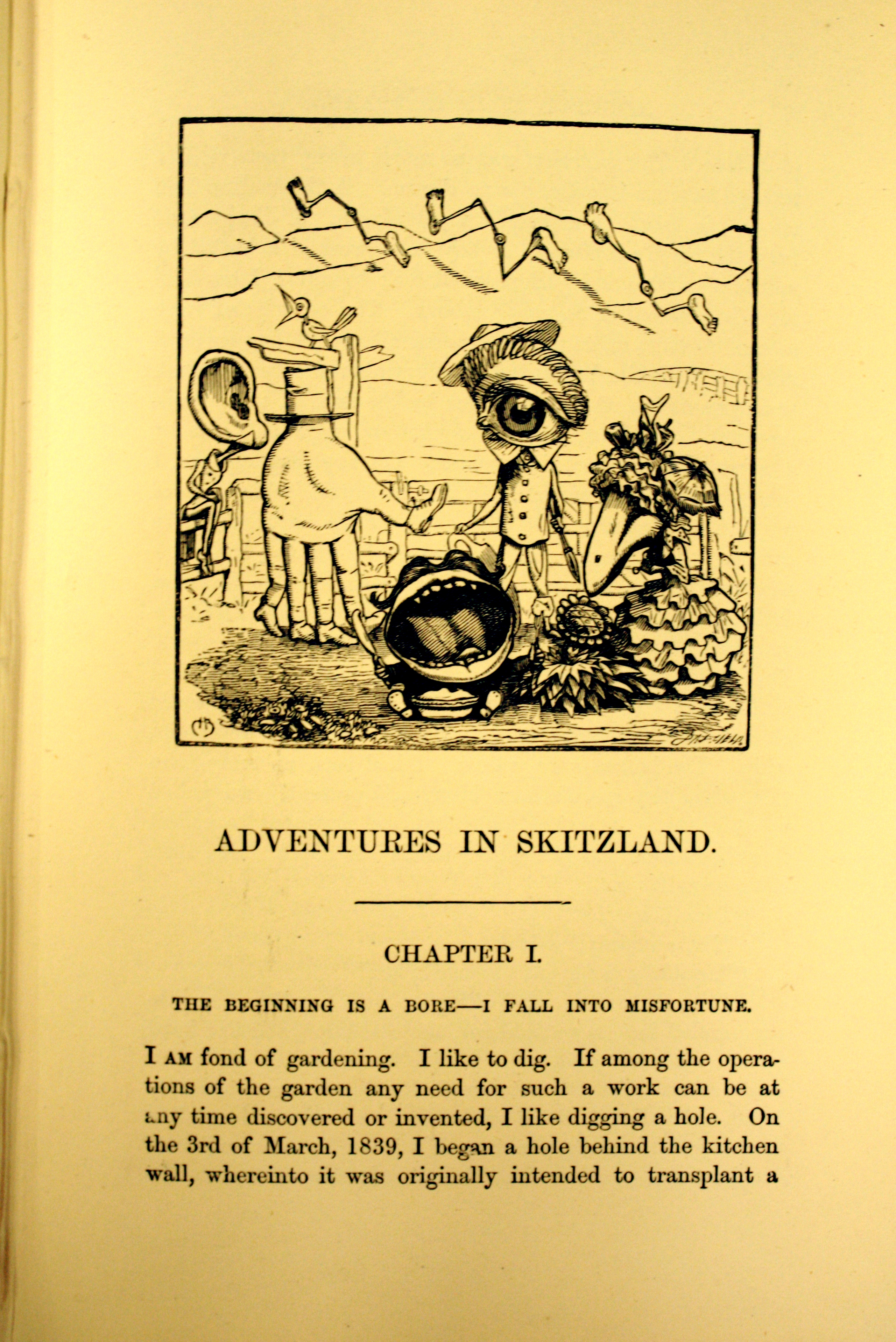
This bizarre and satirical tale was originally published in the Journal Household Words (1850), a family magazine with a mix of content for different ages and sexes. The subject matter, however, implies that Morley intended it for an adult readership. The themes are certainly mature, as well as astutely relevant to the particular period. The central conceit is as follows; the anonymous narrator of the tale digs so industriously in his vegetable patch that he creates a passage through to a parallel world, into which he tumbles. This is revealed to be the Skitzland of the title, presumably a play on the Greek word
The implicit motivation of the tale is to critique and condemn the social inequality rife in Victorian England. Native Skitzlanders lose, at the age of 21, any organs or limbs which have fallen into disuse: lawyers, therefore, consist solely of tongues, and not always with brains to direct them; vain women
Morley’s analogy is clear, that the new breed of aristocrats of his time were the privileged capitalists who had benefitted from the Industrial Revolution. Those members of the under-class
