Christianity and Moral Didacticism


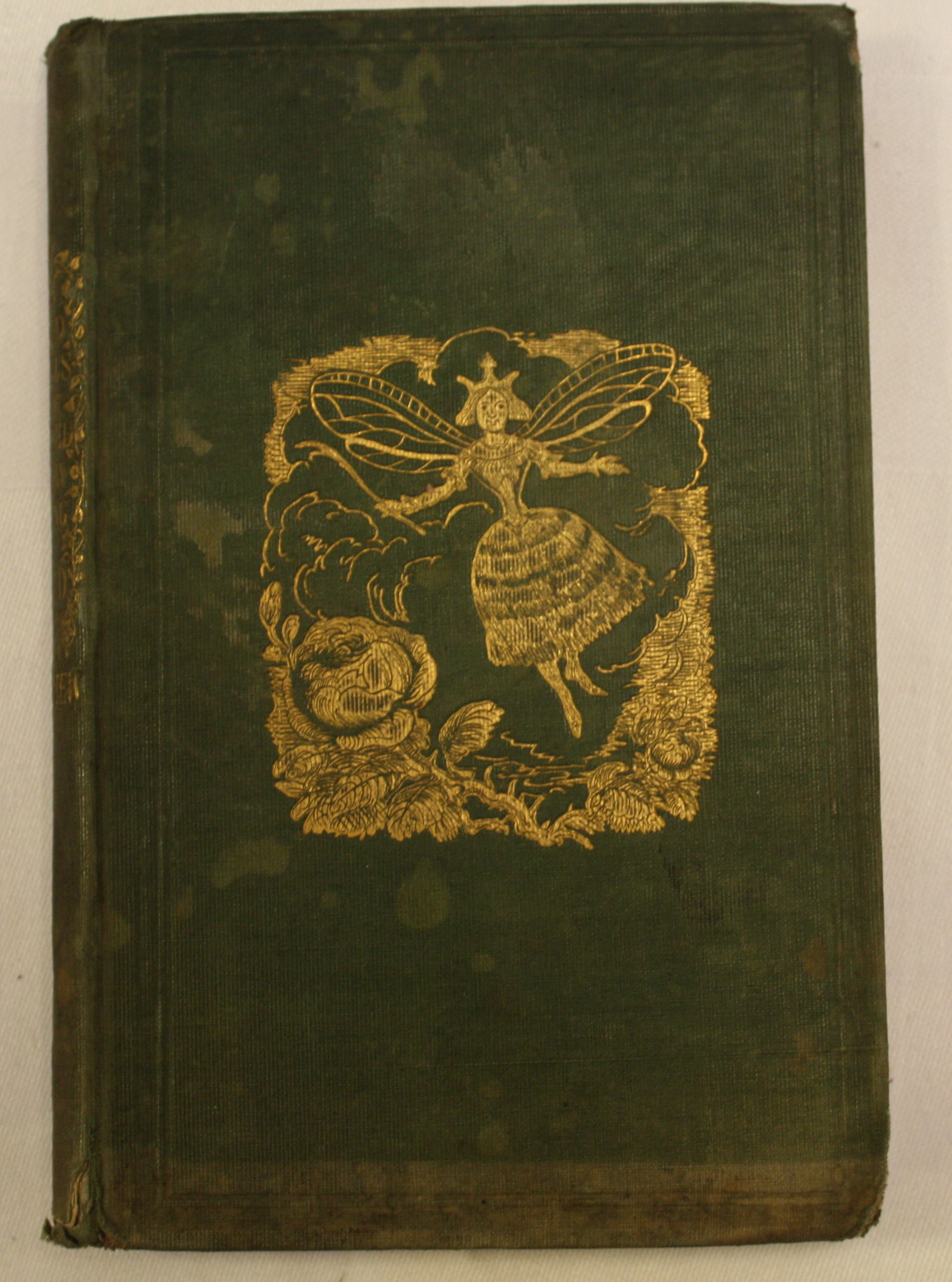
Written by the brothers Henry and Augustus Mayhew, former editors of the satirical Victorian magazine Punch, The Good Genius is a witty, if sometimes clumsy, allegorical fairy tale marketed as a Christmas book for a young readership. The essential moral of the novel is that patience and hard work are rewarded far more generously than greed and laziness, and authors’ motivation is distinctly anti-capitalist.
The protagonist Silvio begins the novel destitute and homeless, preferring to eat dry, stale bread over stealing honey from a bee-hive because
.The fairy is suitably sarcastic and sardonic so as to highlight the fallibility of man where money is concerned; the sin of materialism and the lust for
Other parables which intersperse the narrative, as well as the novel’s ant-capitalist stance and fairly adult tone, Suggest that the book was intended for an adult as well as young readership. These individual morality tales, such as the parable of romance and reality (pp.38-39) and the fable of the Nightingale and the Dormouse (p.56) and their apparent divorce, seem to be intended for a mature audience. Marketed as it was for the children’s market, The Good Genius is thus an effective example of the Victorian impulse to produce work with both middle-class children and their parents in mind.
